
Before you start picking tile or fixtures, it’s important to understand that a bathroom remodel involves much more than surface-level decisions. You’ll need to plan how the space will function, how materials will perform in a high-moisture environment, and how construction will impact your daily routine.
If you’re not a handyman or don’t have renovation experience, a bathroom remodel is not the place to experiment with DIY. Speaking with a professional contractor early, asking the right questions, and understanding what’s involved before any demolition begins can help you avoid costly mistakes. Read these bathroom renovation tips first to make informed decisions and start planning your project with confidence.
Key Takeaways: Bathroom Remodel Planning at a Glance
- Start by defining how the bathroom will be used day to day
- Make layout decisions before selecting finishes
- Budget for hidden work like plumbing and electrical updates
- Focus on waterproofing and ventilation early
- Choose materials suited for moisture and daily wear
- Plan storage based on real routines, not appearances
- Review all measurements and selections before construction
- Prepare for short-term disruption during the renovation
Renovating a Bathroom – What to Do First
Before demolition or design choices, it helps to step back and understand how your bathroom fits into your daily life. Knowing what to do first renovating a bathroom can shape every decision that follows. Early planning helps avoid rushed decisions later, especially once demolition begins and timelines become more difficult to adjust.
Understand How the Bathroom Will Be Used
Start by identifying who uses the bathroom, how often, and how many people rely on the space at once. A main family bathroom, a guest bath, and a primary ensuite all have different needs. Morning routines, storage demands, and privacy expectations should guide early planning. These are key things to consider when renovating a bathroom that often get overlooked.
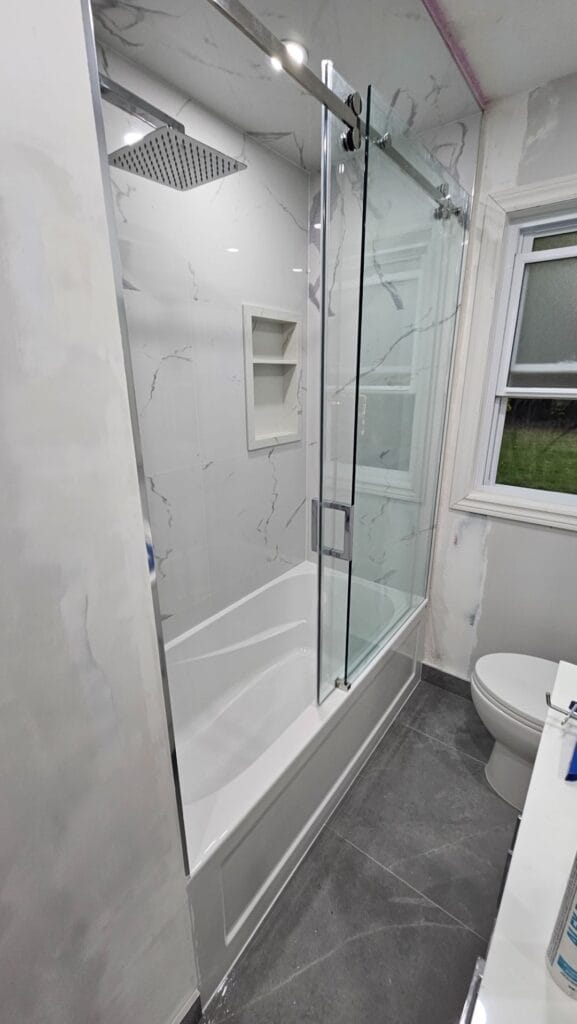
Decide Between a Shower, Tub, or Combination
The choice between a shower, bathtub, or both affects layout, plumbing, and long-term usability. A walk-in shower may suit daily use, while a tub can be valuable for families or resale. These decisions should be made before reviewing fixtures or finishes and are core bathroom remodeling tips. Resale expectations in your area may also influence this decision, especially for primary bathrooms.
Set a Realistic Budget and Timeline
Your bathroom renovation budget and timeline should reflect the age and condition of your home. If your house was built before the 2000s, you may uncover hidden plumbing, electrical, or structural issues once the walls are opened. These unexpected findings can increase costs and extend the renovation timeline.
To avoid stress, build a financial buffer into your budget and allow extra time for repairs that may not be visible at the start. Planning for these possibilities upfront makes the renovation process smoother and helps prevent delays once work is underway.
Planning the Layout Before Any Work Begins
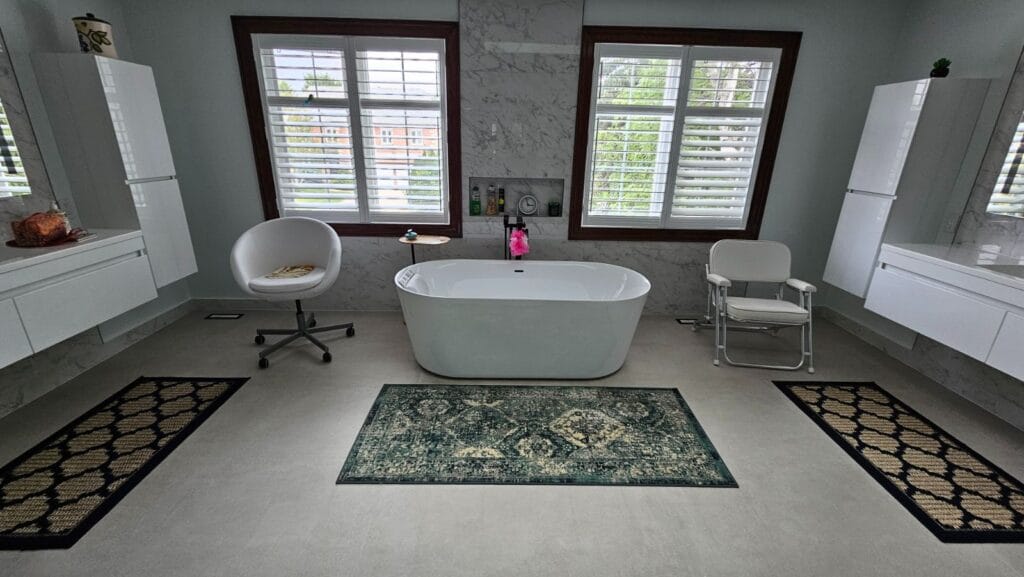
Before any work begins, you should plan your new bathroom layout in detail. Take accurate measurements of your space or make sure your contractor does this for you. You can use simple sketches, online planning tools, or professional drawings to visualize how everything will fit.
Avoid ordering vanities, tubs, or fixtures before confirming measurements. Even small sizing mistakes can lead to delays, additional costs, or returns. Proper layout planning early on helps your bathroom function well and reduces the need for changes once construction starts.
Core Planning Decisions That Affect the Entire Renovation
Some choices impact nearly every stage of the project. Technical decisions are difficult to correct once construction progresses beyond rough-in stages. Addressing them early reduces rework and frustration later.
Waterproofing the Shower and Floor Areas
Bathrooms are exposed to moisture daily. Proper waterproofing behind tile and under flooring is essential for long-term performance. Skipping this step can lead to structural issues, making it one of the most important bathroom renovation tips to follow.
Ventilation and Moisture Control
A well-sized exhaust fan helps manage humidity and reduces moisture buildup. Fan placement and duct size should be planned alongside electrical work. Controlling humidity also helps preserve finishes, mirrors, and cabinetry over time. This is a frequent topic in things to consider when remodeling a bathroom.
Electrical Planning and Lighting Placement
The last thing you want is a dark bathroom with poor lighting. Before walls are closed, plan for all lighting and electrical needs. This includes ceiling lights, pot lights, vanity lighting, wall sconces, and lighting above tubs or showers.
You should also think about outlet placement for items like hair dryers, electric toothbrushes, and heated accessories. Planning lighting and electrical details early helps create a functional, comfortable bathroom and prevents the need for changes later.
Material Choices That Impact Durability and Maintenance
The materials you choose should match how the bathroom will be used. If you’re renovating a child’s bathroom or a high-traffic shared space, durability and easy maintenance should be your top priorities. For example, marble countertops are porous and can stain easily, making them a poor choice for kids’ bathrooms.
For a primary or master ensuite, choose finishes you’ll enjoy for many years. Warm wood tones, soft neutrals, and balanced colour palettes are popular because they add warmth and contrast to all-white bathrooms.
Flooring Options for Wet Environments
Shop around and compare different flooring options before making a final decision. We recommend selecting flooring based on who will be using the bathroom. For households with children or seniors, slip-resistant materials are especially important.
Porcelain tile, textured ceramic, luxury vinyl tile (LVT), and certain engineered hardwood products perform well in wet environments. The right flooring choice improves safety, comfort, and long-term durability.
Wall Finishes and Tile Selection
Tile size, finish, and placement can completely change how your bathroom looks and feels. In smaller showers, larger tiles can make the space feel more open by reducing grout lines. Darker tiles can add depth and contrast when used thoughtfully, even in compact spaces.
Textured finishes can improve slip resistance, while glossy tiles reflect light and brighten the room. Choosing the right combination helps create a balanced look that feels intentional rather than overwhelming.
Grout Colour, Tile Size, and Slip Resistance
Grout colour is primarily a design choice and can either blend with your tiles for a seamless look or contrast to highlight tile patterns. Tile size affects how water drains and how much traction the surface provides, especially in showers.
Slip resistance ratings are critical for family bathrooms and shared spaces. Paying attention to these details improves bathroom safety and supports strong performance over time.
Storage and Functionality Considerations
Smart storage supports daily routines and keeps the bathroom organized. It helps reduce clutter and makes the space easier to maintain long term.
Vanity Design and Cabinet Configuration
Drawer depth, door swing, and interior dividers affect usability. A vanity should suit how items are stored and accessed daily. This is a practical part of planning a bathroom remodel that impacts everyday use.
Medicine Cabinets and Recessed Storage
Recessed storage saves space and keeps surfaces clear. Medicine cabinets with interior shelving make everyday essentials easy to reach while keeping the room clean and organized.
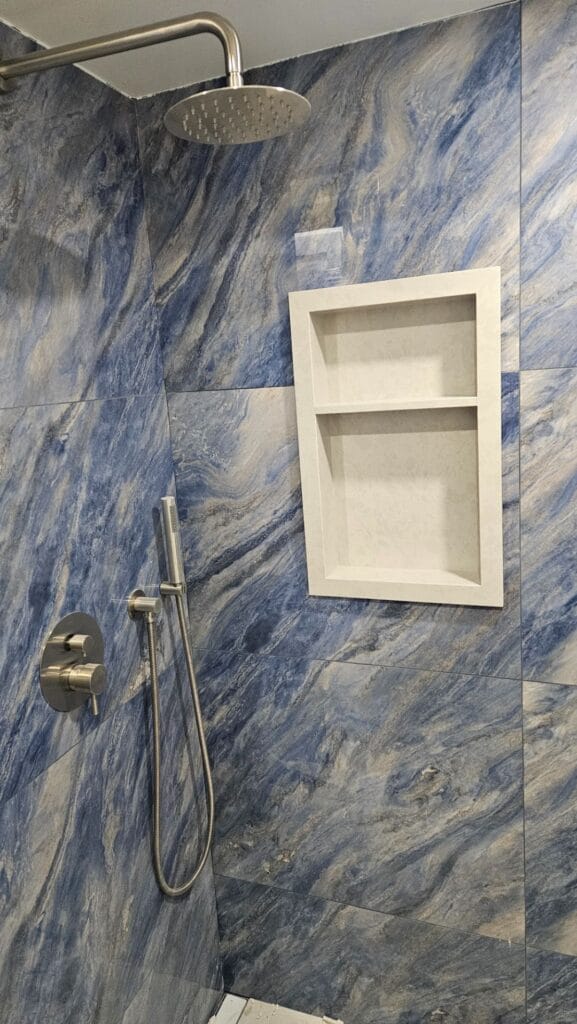
Shower Niches, Shelves, and Accessory Placement
Plan shower niches to hold shampoo, conditioner, and soap. Open shelving or built-in cabinetry can then be used to create extra storage for towels and toiletries.
Vanity height is another important consideration. Comfort-height vanities are ideal for master ensuites, while shared bathrooms, especially those used by teenagers, benefit from thoughtful storage and ergonomic placement. Planning these elements early helps avoid retrofits later.
Comfort and Long-Term Use Planning
A well-designed bathroom should support your needs not just today, but years from now. If you plan to age in place, consider features like walk-in showers, wider doorways, and slip-resistant flooring.
Accessible layouts, comfort-height vanities, and thoughtful fixture placement can make daily use easier and safer over time. Planning for long-term comfort helps keep your renovation practical and valuable over time.
Heated Floors and Comfort Upgrades
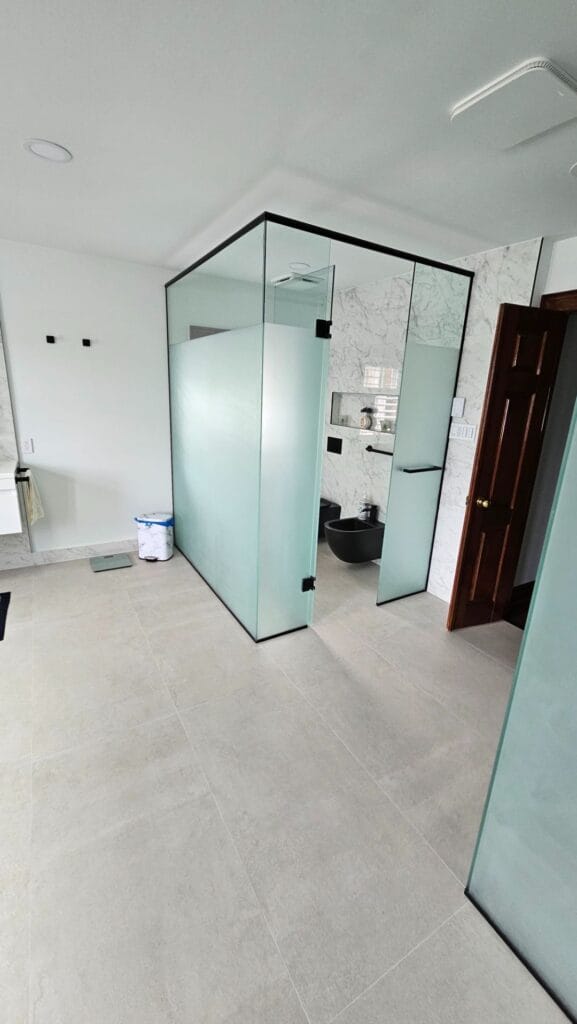
Heated floors add comfort, especially during colder months, and work well under tile. Heated towel racks are another popular upgrade, keeping towels warm and dry while adding a spa-like touch.
These comfort features should be planned alongside electrical and flooring work to support proper installation and lasting performance.
Accessibility and Future-Proofing the Space
Wider doorways, curbless showers, and blocking for grab bars support long-term use. Even if not needed now, planning for the future adds value and usability.
Features That Improve Everyday Usability
Touchless faucets, soft-close drawers, and adjustable shower controls improve daily convenience. These details matter when considering how to renovate a bathroom for long-term living.
Common Bathroom Remodel Mistakes to Avoid
Many issues stem from rushing decisions or overlooking technical planning early. Learning from common issues can prevent delays and added costs.
Skipping Proper Waterproofing
Inadequate waterproofing leads to moisture damage behind finished surfaces. This mistake often requires major repairs later and is frequently highlighted in bathroom remodel tips.
Poor Ventilation Planning
An undersized or poorly placed fan allows moisture to linger. Proper ventilation planning supports healthier indoor conditions and material performance.
Prioritizing Style Over Function
A visually appealing bathroom that lacks storage or clear movement paths can be frustrating to use. Function should guide style choices, not the other way around.

Final Checks Before Starting Construction
It’s important to confirm that all decisions are documented and reviewed. Final inspections help catch errors before materials are ordered or work begins.

Final Thoughts on Planning a Bathroom Renovation
A successful remodel begins with thoughtful planning and informed decisions. From layout and materials to ventilation and storage, each choice shapes the final result. By following these bathroom renovation tips and focusing on function alongside design, you can approach your project with clarity and confidence.
If you are planning a bathroom renovation and want guidance from licensed professionals, contact Bath Team today. Working with our dedicated renovation team will help you avoid unnecessary delays and support better long-term results.